
The Necklace by Guy de Maupassant: Comprehensive Short Story Summary, Themes & Analysis
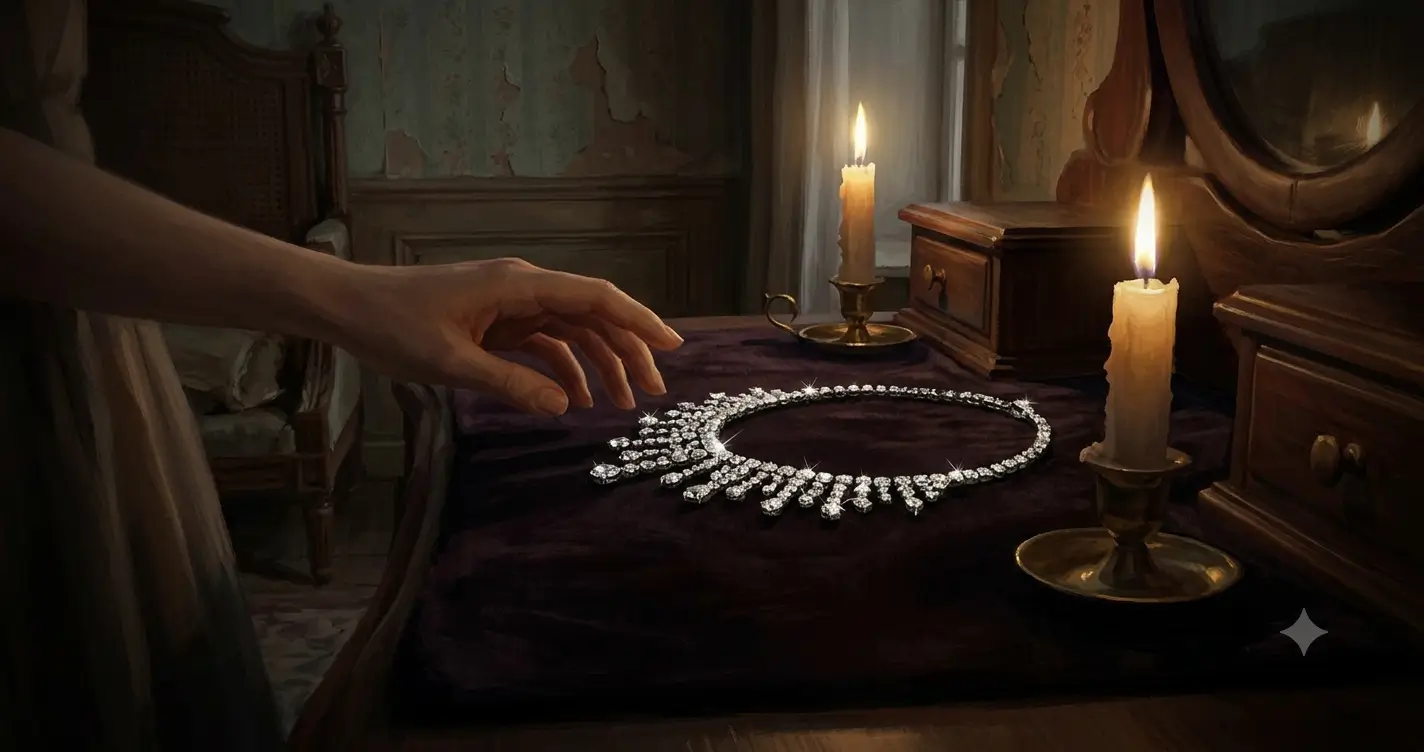
Few short stories pack the psychological punch and devastating ironic twist of The Necklace (La Parure) by French master of realism Guy de Maupassant. First published in 1884, this timeless tale explores the dangerous allure of vanity, the heavy cost of social pretense, and how a single night of pride can alter the course of a lifetime.
Whether you are studying nineteenth-century literature, preparing for an academic exam, or revisiting a classic masterpiece, this guide breaks down the plot, characters, and profound moral lessons behind Maupassant’s most famous work.
Book Information
| Field | Details |
| Title | The Necklace (La Parure) |
| Author | Guy de Maupassant |
| Genre | Realist Short Fiction / Psychological Drama |
| Original Publication | 1884 (in the French newspaper Le Gaulois) |
| Primary Setting | Paris, France (Late 19th Century) |
| Main Characters | Mathilde Loisel, Monsieur Loisel, Madame Jeanne Forestier |
| Central Themes | Vanity, Social Class, Appearance vs. Reality, Irony, Honesty |
Quick Summary
The Necklace tells the tragic story of Mathilde Loisel, a dissatisfied middle-class woman who dreams of aristocratic luxury, wealth, and elegance. When her husband—a minor government clerk—secures an invitation to a prestigious ministerial ball, Mathilde borrows a dazzling diamond necklace from her wealthy friend, Madame Forestier, to fit in with high society.
The night is a dazzling triumph; Mathilde is the belle of the ball. However, upon returning home, she discovers the necklace is missing. Too proud to confess the loss, Mathilde and her husband spend ten grueling years of backbreaking labor, debt, and poverty to replace it, only to discover a heartbreaking secret at the very end.
About the Author and Historical Context
Guy de Maupassant (1850–1893) is widely regarded as one of the founding fathers of the modern short story. Mentored by Gustave Flaubert, Maupassant specialized in economical storytelling characterized by precise detail, psychological realism, and shocking, ironic resolutions.
Set during the Third French Republic, The Necklace mirrors the intense social mobility, bourgeois anxieties, and materialistic pressures of 19th-century Paris, where outward appearances often masked inner financial ruin.
Detailed Original Summary
The Unrealized Dream
The story introduces Mathilde Loisel, a young woman possessing natural charm and beauty but cursed by what she perceives as an unkind destiny. Born into a family of modest clerks, she feels entitled to a life of opulence, velvet parlors, exquisite dinners, and glittering jewels. Instead, she lives in a modest, drab apartment with peeling wallpaper, tormented by her humble station.
The Invitation
One evening, her husband triumphantly brings home an official invitation to a high-society reception hosted by the Minister of Public Instruction. Instead of feeling grateful or excited, Mathilde bursts into tears. When her bewildered husband asks why, she laments that she has nothing appropriate to wear to such a grand gathering. Generously, Monsieur Loisel surrenders his savings—four hundred francs intended for a hunting gun—so she can buy a fashionable dress.
The Stolen Night
Even with a new gown, Mathilde remains unhappy because she lacks jewelry. At her husband’s suggestion, she visits her wealthy school friend, Madame Jeanne Forestier, and borrows a magnificent diamond necklace.
At the ball, Mathilde is transformed. Intoxicated by admiration, beauty, and success, she dances with reckless joy until four o’clock in the morning.
The Loss and the Sacrifice
Upon returning home, the dream shatters: the diamond necklace is gone from her neck. Desperate, the couple retraces their steps, searches carriage companies, and even alerts the police, but to no avail.
Facing total disgrace, Mathilde and her husband resolve to replace the lost jewel. They find an identical diamond necklace at a Parisian jeweler priced at thirty-six thousand francs. Monsieur Loisel pools eighteen thousand francs inherited from his father and borrows the rest through ruinous high-interest loans.
Ten Years of Hardship
To pay off the crushing debt, the Loisels dismiss their maid, rent an attic room, and embrace a life of grueling poverty. Mathilde washes dishes, scrubs floors, haggles at the market, and carries heavy refuse down flights of stairs. Monsieur Loisel works multiple jobs late into the night.
After ten agonizing years of exhausting labor, premature aging, and unrelenting stress, every last franc of debt is finally paid off.
The Devastating Revelation
One Sunday, while walking in the Champs-Élysées, Mathilde spots Madame Forestier looking as youthful and elegant as ever. Impulsively deciding to speak the truth now that the debt is settled, Mathilde approaches her.
Madame Forestier barely recognizes her, noting how worn and harsh Mathilde looks. When Mathilde proudly recounts the sacrifice of the past ten years caused by losing and replacing her diamond necklace, Madame Forestier stops in absolute shock and says:
“Oh, my poor Mathilde! But mine was imitation. It was worth at most five hundred francs!”
Key Ideas and Central Lessons
- The Trap of Vanity: Mathilde’s obsession with superficial status blinds her to the genuine affection of her devoted husband and the simple comforts of her life.
- Appearance Versus Reality: The central metaphor of the necklace highlights how humanity chases glittering illusions while missing the unpretentious truth.
- The Irony of Pride: Had Mathilde confessed the loss immediately to Madame Forestier on the night of the ball, she would have learned instantly that the necklace was costume jewelry, saving herself and her husband a decade of needless suffering.
- Honesty and Communication: Silence born of false pride destroys what honest dialogue could have easily resolved.
Practical Applications
- Appreciate What You Have: Cultivating gratitude for present circumstances prevents the poison of relentless comparison and materialism.
- Communicate Openly: Transparency in relationships and professional endeavors avoids compounding small mistakes into catastrophic crises.
- Value Character Over Status: True self-worth originates from personal integrity and resilience rather than external validation or luxury goods.
Frequently Asked Questions
What is the main message of The Necklace?
The primary message is that vanity, dishonesty, and obsession with social status can lead to ruin, and that pride often prevents simple solutions to life’s problems.
Why is the ending considered ironic?
The ending is ironic because the Loisels sacrificed ten years of their youth and health to pay for an expensive replacement, only to discover the original necklace was made of cheap imitation glass.
Who wrote The Necklace?
It was written by the renowned French author Guy de Maupassant in 1884.
Is the necklace in the story real diamonds?
No. Madame Forestier reveals at the very end of the story that her necklace was costume jewelry worth only a few hundred francs.
Where can I read The Necklace legally and for free?
You can read the story legally on archive platforms like Project Gutenberg and the Internet Archive, as it is in the public domain.
Conclusion
Guy de Maupassant’s The Necklace stands as a monument to narrative craft. By exploring the devastating cost of vanity through Mathilde Loisel’s journey, the story challenges readers to examine their own values. True wealth, Maupassant suggests, lies not in the sparkle of borrowed jewels, but in honesty, self-acceptance, and peace of mind.